
Imagine you have a small shop in a huge market. But it is hidden behind many buildings and trees. Very few people can find it. What if you put a big bright sign so everyone who passes by can see your shop easily? That is what SEO does for websites. It means Search Engine Optimization. It helps websites become easy to find on Google so more people visit them. This guide will explain what SEO is, how it work, the main types of SEO, some examples, why SEO is important for any website, and how you can learn it for free.
Table of Contents
What is Search Optimization and How Does It Work?
SEO is a way to make your website more visible on search engines like Google, Bing, or Yahoo. These search engines help people find answers to their questions or things they want to buy. But they don’t just show any website. They use special programs called bots to explore and understand websites before deciding which ones to show first.
Here’s how it works in three simple steps:
Crawling: Think of bots as tiny robots sent by search engines. These bots visit web pages all over the internet to read what’s on them. They crawl links from one page to another like you read pages in a book.
Indexing: After crawling, the bots save or store all the useful information from those pages in a huge library called an index. This index is like Google’s brain—a collection of everything it has learned about websites.
Ranking: When you type a question or keyword in Google, it looks through its index to find the best and most relevant pages to show you. Google uses many rules (called algorithms) to decide which websites deserve to be at the top based on quality, keywords, speed, and user experience.
The benefit of using search engine optimizations is that your website gets visitors without paying for ads. When your site appears higher on search results naturally, it receives free and long-term visitors. This free type of traffic is called organic traffic.
Four Important Types of Search Engine Optimizations
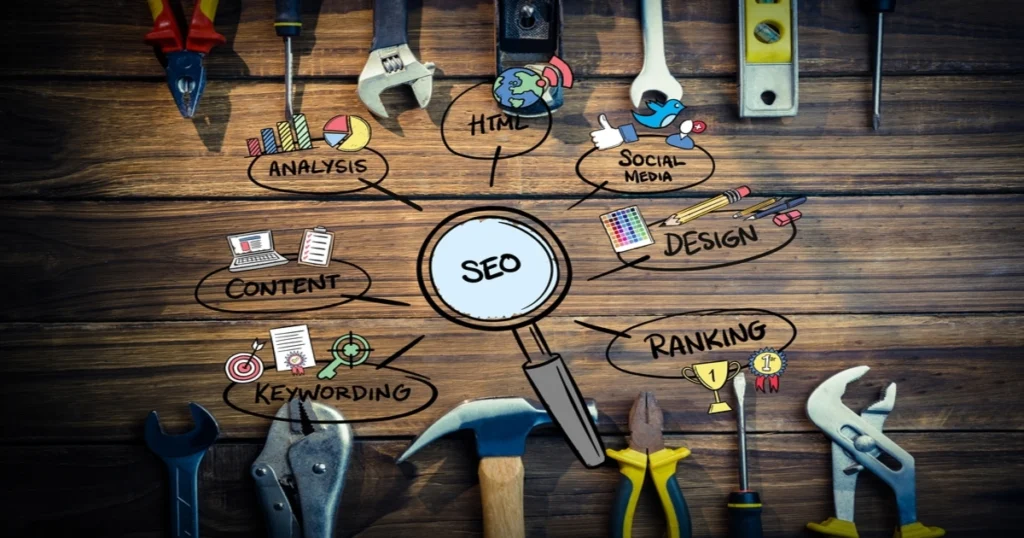
It is not just one thing. It has four important parts that work together to make your website strong:
1. On-Page:
This is everything you do on your website to make it good for both visitors and search engines. It includes writing useful and clear content, using the right keywords where people search for them (like in titles and headings), adding images with descriptions, and making sure your web pages are easy to read.
2. Off-Page:
This happens outside your website. It mainly focuses on getting other trustworthy websites to link back to your site. These links act like votes telling search engines, “This site is valuable and trustworthy.”
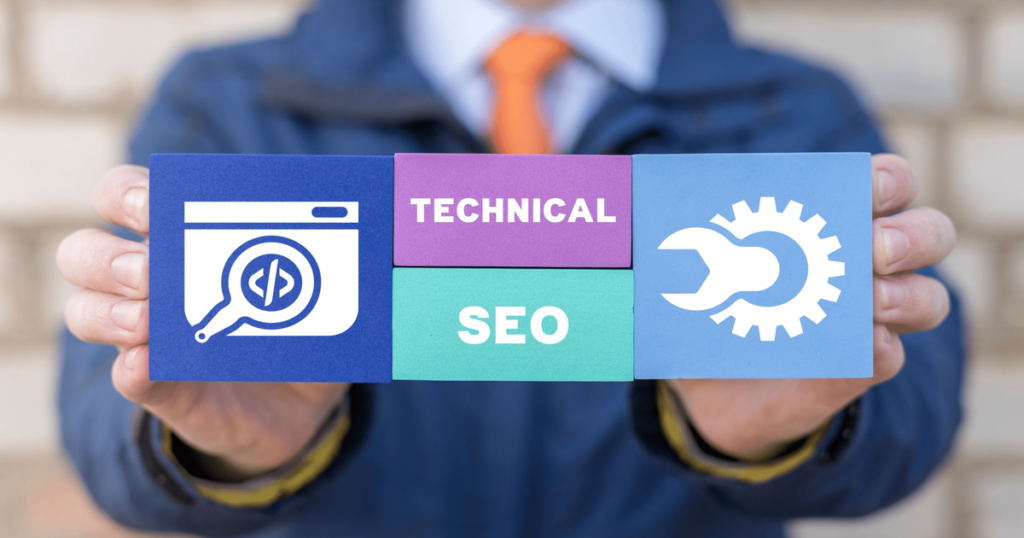
3. Technical:
This is the behind-the-scenes work to make your website fast, safe, and easy to use. It includes making your website load quickly, ensuring it works well on phones, fixing broken links, and using HTTPS (a secure way to connect).
4. Local SEO:
This helps businesses show up in local searches. For example, if you own a coffee shop, it makes sure your business appears when someone nearby searches for “coffee shop near me.” It involves creating and updating your Google My Business listing, adding your address, and getting positive reviews.
Here is a quick comparison:
| Type | Focus Area | Main Tasks |
|---|---|---|
| On-Page SEO | Content on your site | Keywords, Titles, Headings |
| Off-Page SEO | Outside your site | Backlinks, Social Sharing |
| Technical SEO | Website setup | Speed, Security, Mobile-friendly |
| Local SEO | Local business search | Google My Business, Reviews |
SEO Examples: How Each Part Works
To understand SEO better, let’s look at examples for each type:
- On-Page SEO Example: Suppose you write a blog about “Best Healthy Breakfast Recipes.” You use this phrase in the title, headings, first paragraph, and image descriptions. When people search for “healthy breakfast,” your blog is more likely to appear near the top.
- Off-Page SEO Example: Another popular food website links to your blog. This backlink tells search engines that your blog is trusted, helping you rank higher.
- Technical SEO Example: Your website loads fast on phones or computers. It uses HTTPS, and the menus are easy to navigate. These factors keep visitors happy and improve your ranking.
- Local SEO Example: A local bakery adds their address and phone number on Google My Business. When nearby people search for “bakery near me,” their shop appears on the map and in search results.
Full Example: Let’s say you run a recipe website.
Step 1: Research and use keywords like “easy pizza recipe” in your articles.
Step 2: Write quality content and get links from other food blogs .
Step 3: Make sure your website loads quickly and works well on smartphones .
Step 4: Add your business location if you sell cooking classes locally .
This combined effort can increase your visitors by more than 50%. More visitors mean more readers, sales, or sign-ups without paying for ads.
Why is SEO Important for Websites?
It is important for anyone who wants their website to be noticed. Here’s why:
- Free Organic Traffic: It brings visitors without needing to pay for ads. These visitors are people genuinely interested in your content or products.
- Builds Trust: Websites that appear on the first page of Google are seen as more trustworthy by users.
- Long-lasting Results: Good work keeps bringing visitors for months or even years.
- Beat Competition: While others spend money on ads, you can win by having a well-optimized site that Google loves.
Your website could get lost in the vast ocean of the internet without SEO. With billions of searches occurring every day, it is essential for standing out and growing.
Can I Learn SEO for Free?

Yes! You can learn all this for free online. No need to pay – here are great resources:
- Google SEO Starter Guide: This helps beginners learn the basics with easy steps.
- YouTube videos: Many channels like Ahrefs, Moz, and Backlinko offer free tutorials.
- Blogs: Read blogs from trusted websites to understand new updates and tips.
- Practice yourself: Try changing your website’s titles, content, or speed. Use free tools like Google Analytics and Search Console to track improvements.
Start small, learn one SEO type at a time, and keep practicing. It is a skill that gets better with experience.
Conclusion
SEO is a simple but powerful tool that helps your website appear in front of people searching for what you offer. It makes your pages easy for Google to understand and trust by using clear content, fast speed, good keywords, and links from other sites. In this guide, you learned how search engines crawl, index, and rank websites, plus the four main types: on-page, off-page, technical, and local. Real examples showed how small changes like better titles or mobile fixes can boost your traffic by 50% or more.
Unlike paid ads that stop when money runs out, SEO brings free organic visitors for months or years. You can start today with no cost using Google’s free guide, YouTube videos, and tools like Search Console. Pick one tip—like adding keywords to headings or fixing site speed—and apply it now. Every step builds trust with Google and grows your website. Start your SEO journey today for lasting online success
What is Search Engine Optimization in simple words?
SEO is like putting a big sign on your website so Google can easily find it and show it to people searching for what you offer. It helps your site appear higher in search results without paying for ads, bringing more free visitors who want exactly what you have.
What are the four types of SEO?
On-Page , Off-Page, Technical , and Local SEO.
Is SEO important for my website?
Yes! SEO is critical since it drives free traffic to your website without the need for paid advertisements. People trust websites that appear first on Google, thus it helps you appear trustworthy and attract more clicks. It also outperforms your competitors, who only deploy expensive ads, but your site continues to grow traffic for months or years.
How long does it take to see results?
SEO results for new websites, such as more traffic and higher ranks, typically take 3-6 months to appear. This is determined by the amount of effort you put in, the level of competition you face, and whether or not your site is fresh. Continue to create high-quality material and build links every week to accelerate your growth.


Pingback: Backlinks: How to Build Authority and Rank Higher in 2026